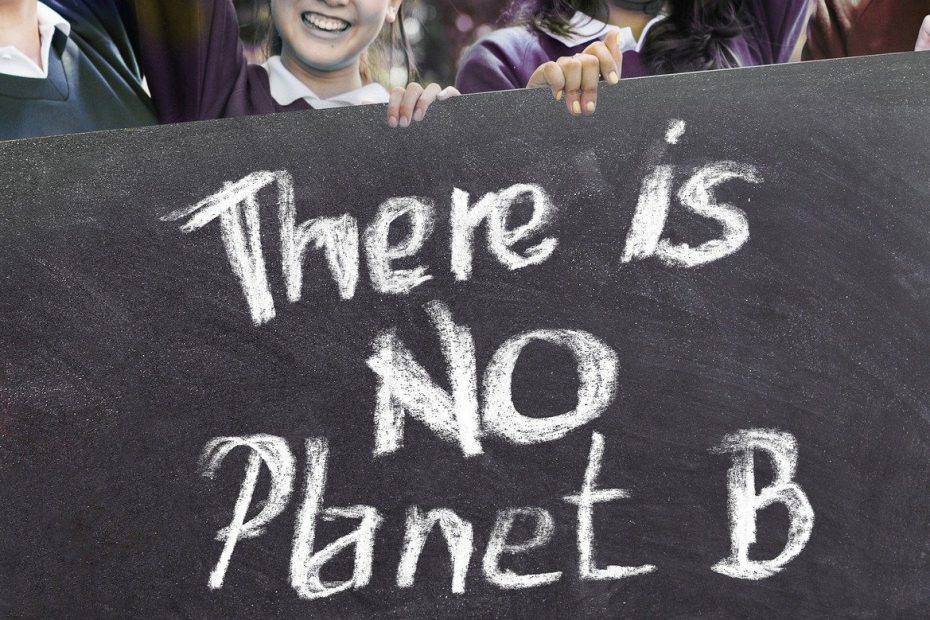
In July, Saltash Town Council narrowly voted not to declare a climate emergency, unlike Cornwall Council. This decision surprised the committee of Saltash Environmental Action (SEA), because over the years Councillors have worked to improve the local environment in many ways – supporting litter picks, greening of the environment especially Pillmere, reducing plastic at public events, prioritising green issues in the Neighbourhood Plan and so on.
Recognising that Councillors are careful to spend residents’ money wisely, SEA guesses that they were just unsure of the consequences and costs of declaring climate emergency.
They can be reassured that several changes are relatively easy – and some even save money! They could start with buying electricity from a supplier of renewable energy, fitting low energy lights, switching street lights off earlier, planting trees, reducing grass cutting to allow wildlife to flourish in the green spaces – and forming a climate change action group. In the longer run they could install solar panels and plan to replace diesel vans with electric ones – towards going carbon neutral.
More fundamentally, it’s about a shift of attitude or mindset: so that instead of always seeking to dominate our environment with a monoculture countryside, manicured gardens and a relentless desert of concrete block paving, we start leaving space for nature – accepting that nature can be messy and irregular. And before starting the car, we should look for an alternative, even if it is a little slower or not quite so comfortable.
SEA knows it speaks for the people of Saltash on climate change: in our recent survey of 120 people in Fore St and the Leisure centre, 90% were concerned about it, and 80% felt strongly that the ‘powers that be’ were not doing enough. So SEA urges the Council to reconsider their decision and provide the leadership the residents clearly want. And SEA offers to discuss the issues and help the Council in every way possible to deliver changes. Stopping runaway climate change and halting the loss of nature are matters of huge, and growing, public concern.