SAFETY WHEN LITTERPICKING
This is a shortened version of the health & safety guidance provided by Clean Cornwall https://www.cleancornwall.org/
The full version can be found here
http://www.cornwall.gov.uk/media/anlnvmha/litter-pick-health-safety-guidance.pdf
For anyone wishing to organise a group litter pick event, a litter pick pack can be downloaded from the Clean Cornwall website
Personal and health status
Nobody under 16 should pick up litter unless they are with an adult
Volunteers should self-assess each task in line with their own limitations. This includes any medical conditions such as back concerns, angina, chest conditions etc.
It is recommended to make sure your tetanus injections are up to date.
General precautions: where and when?
· Be aware of your environment and do not put yourself at risk whilst picking litter.
· Do not pick when visibility is poor, and only pick in daylight hours.
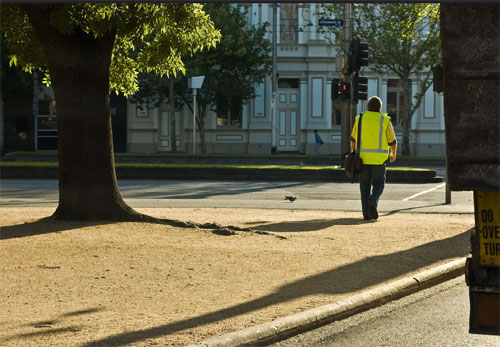
· Do not pick A roads. Clean Cornwall has advised that you can pick on B roads however they also advise that you complete a risk assessment before you begin. We can provide you with a template if required. If you pick Parish lanes, always wear a Hi Viz vest, be aware of traffic at all times and stop picking to allow any vehicle to pass.
· Do not pick on private property.
· Stay clear of cliff edges, water, rocks and large areas of mud.
· Follow local rules as well as our guidelines, including safe and lawful parking.
Personal stuff
· Ensure any existing cuts or abrasions are clean and covered with a waterproof plaster
· Wear stout shoes and clothing suitable for the weather
· Do not confront anyone you see littering
· Afterwards, wash your hands thoroughly before eating food or drinking.
Standard procedures
· Avoid touching litter at all times: use gloves if you need to handle litter
· Use a litter picking tool where possible for any glass and metal items
· Rubbish should not be compressed using hands or feet as this can accidently puncture the skin
· Avoid contact with the body when carrying plastic bin bags
· Do not overfill bin bags and avoid lifting heavy objects or sacks alone
Dodgy litter
· Do not pick up any items that cannot easily be identified; or when they are clearly heavy, or likely to be hazardous. Report them to Cornwall Council.
· Never attempt to remove syringes, needles, drug paraphernalia or any toxic substances – contact Cornwall Council
· Do not attempt to remove dead or live animals. If dead, report* to Cornwall Council. If alive, report to the RSPCA. (On the coast: for live stranded marine animals, contact British Divers Marine Life Rescue; dead marine animals, contact Marine Strandings Network)
Where to put the litter you collect
· The litter you collect can go into your normal household rubbish bin, or in one of the town bins. Rubbish should never be left beside a litter bin. Please report any full bins to the council so they can arrange for them to be emptied.
· If you are planning to work on an area where you anticipate finding a larger amount of litter, please register your litter pick in advance with Clean Cornwall here https://secure.cornwall.gov.uk/form/auto/waste_litter_pick_req
They will arrange for the litter to be collected by Biffa.
Reporting problem litter
· If you find anything hazardous, or fly-tipped waste, dead animals etc, find out how to deal with it here:
https://www.cornwall.gov.uk/report-something/
You are most likely to want to report fly-tipping, for that go here:
https://www.cornwall.gov.uk/rubbish-recycling-and-waste/street-cleaning/fly-tipping/