wildlife in Saltash
SEA
Helping Nature To Recover
As the autumn nights were falling, 30 years ago, Tamar Bridge witnessed one of Nature’s greatest thrills: thousands of starlings would wheel and whirl overhead in fantastic murmurations, shimmering and glistening in the sun like a shoal of fish, their wild formation-flying ending in a magnificent mass landing on the bridge.
Every summer, 20 years ago, Forder, Tincombe, Saltmill and Latchbrook Valley echoed to the unmistakable call of the cuckoo in the early evenings.
On sunny days, 10 years ago, swallows and martins dipped and dived as they chased insects high above Coombe Valley, then screamed into their nests under our eaves to feed their chicks.
But we have lost the riches of these and many other of Nature’s dramas. We have pushed Nature out onto the sidelines, as we humans have made life more and more comfortable and convenient for ourselves.
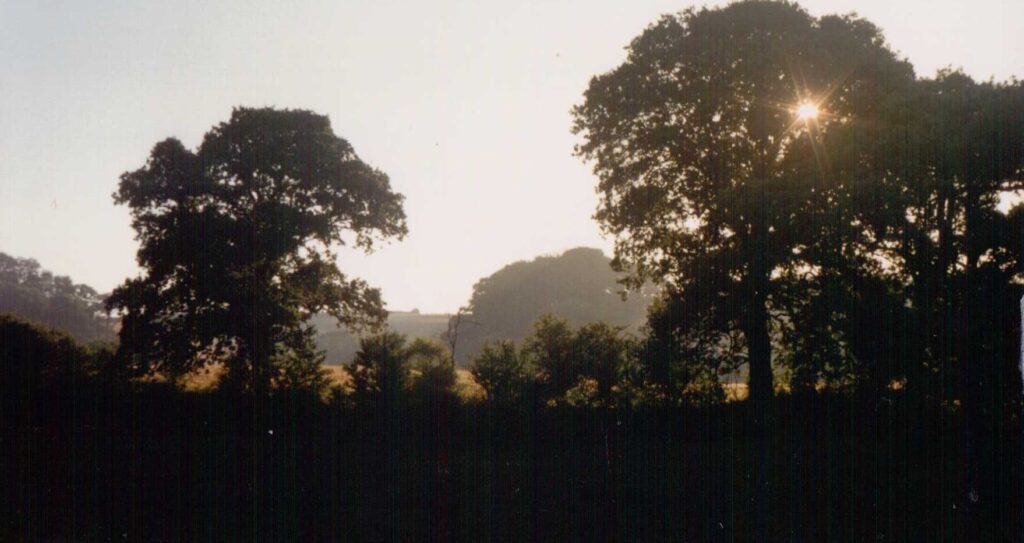
Saltash is not alone – the UK is one of the most Nature-depleted countries in the World. But Saltash is where that we can start to change and make a difference!
According to the 2020 State of Nature Cornwall report,
- 21 birds have become extinct in Cornwall
- half of breeding birds have declined
- butterflies and mammals are also seriously at risk
And throughout the world, insects, birds, reptiles, land and sea mammals are in decline (World Wildlife Report 2018).
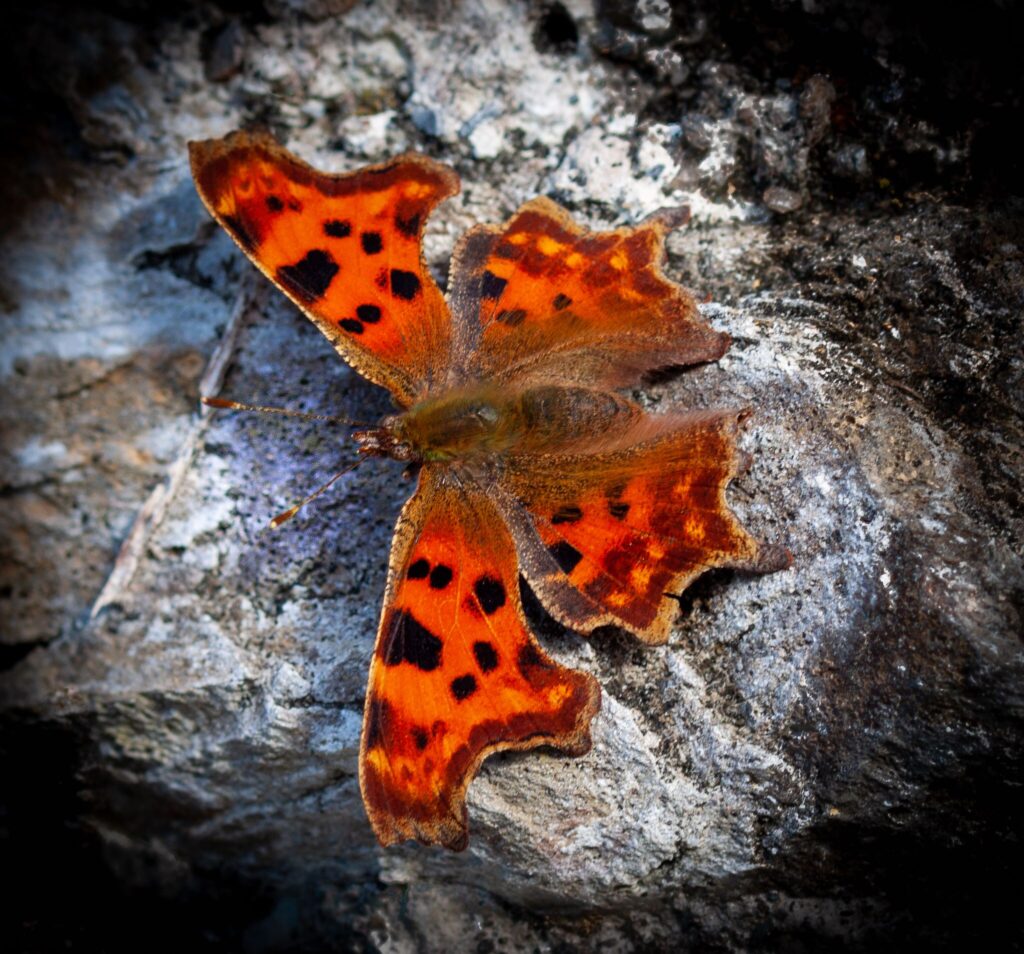
Are we going to deny our children the experience of birdsong, the flutter of a butterfly, the fascination of a caterpillar crawling? How did we ever let this happen, and what can we do about it?
“They paved over paradise … and put up a parking lot”
Joni Mitchell’s lyric sums it up – urbanisation has played a huge part in Nature’s obliteration. Other contributors are climate change, and industrialised agriculture with its widespread use of chemicals. No space left for Nature.
In urbanising Saltash over many years:
- we cut down our trees, and rooted out our hedges
- we labelled our wildflowers as ‘weeds’ and poisoned them
- we filled every nest-hole and crack in our roofs and eaves; we paved over our front gardens wall-to-wall, and obliterated our back gardens with patios
- we scalped our lawns and demanded that our Council mow our grassy verges really short, as well as our parks and other green spaces.
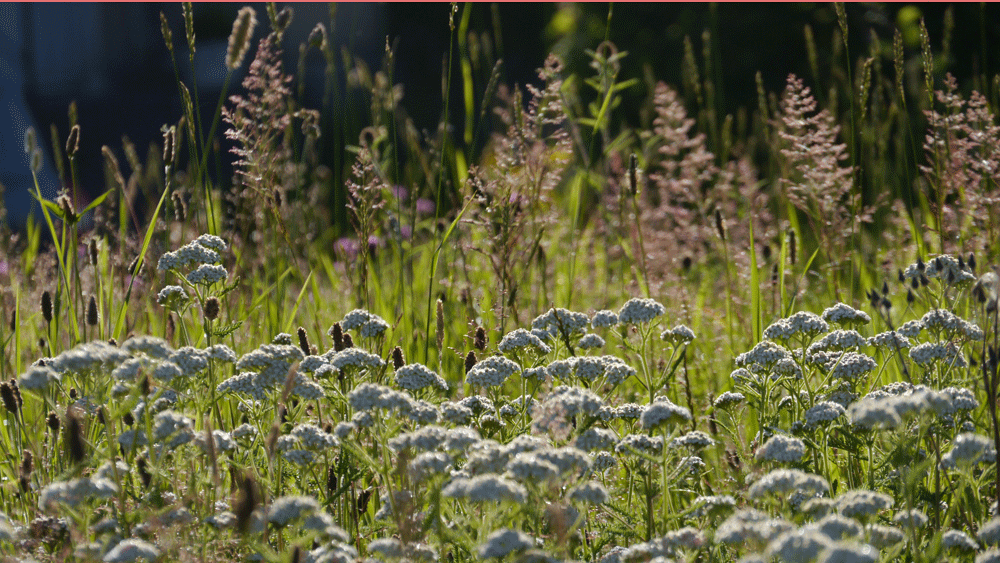
Thinking only of ourselves and going for ‘neat & tidy’ and ‘easy maintenance’, we left no flowery habitats for insects, no long grass as cover for mammals and reptiles, no nest sites for birds. We left no space for Nature.
We have forgotten all about Nature in pursuing our own comfort, luxury and convenience. But Nature was here first! We are part of Nature, and Nature is part of us – just look at how Nature has provided the inspiration for painting, pattern, design, ceramics over many centuries.
Nature restores our mental and physical wellbeing with stress-relief and exercise – as many people realised during lockdown; Nature provides us with unique and crucial feelings of awe and wonder. Nature is critical for our food-production.
Destroying habitats and obliterating Nature diminishes us as civilised human beings. Restoring habitats, and helping Nature to recover, restores us as human beings.
Putting Nature back in Saltash
SEA wants to help let Nature regenerate herself in Saltash. We aim to restore and improve Saltash’s wildlife habitats to provide a very significant reservoir for wildlife. This involves our urban green spaces and our gardens.
The neat and tidy ‘minimalism’ look is in fashion at the moment! Let’s hope it doesn’t take a whole generation to come to see the value of trees, long grasses and random flowers – and appreciate their role for wildlife and benefit to ourselves.
You might think that Saltash is ‘town’, and wildlife lives in the ‘country’: but Saltash can still provide a network of natural corridors and wildlife patches at different levels – trees, shrubs and long grass – in our public places and our private gardens. Those corridors are what wildlife desperately needs – and every little counts.
We know that other individuals, organisations and businesses in Saltash have the same aims, and this gives us hope that we can make a difference to our ‘urban landscape’ and provide more room for Nature.
SEA works with others with the aim of actively promoting habitats for wildlife in Saltash by:
- regenerating meadows
- running a community allotment
- planting and protecting trees and hedges
- helping gardens become more wildlife friendly
- supporting reduced mowing of grass in Saltash
We hope you will join us in one or more of these projects. Nature depends on it!
The reports mentioned above can be found at:
https://www.cornwallwildlifetrust.org.uk/what-we-do/state-nature-cornwall-2020-report